What Are Lutein and Zeaxanthin?
Lutein and zeaxanthin are xanthophyll carotenoids — pigments in the same family as beta-carotene, but structurally distinct. The human body can't synthesize them; they must come from diet or supplements.
They concentrate heavily in the macula — the central 5 mm of the retina responsible for high-acuity and color vision. Their yellow pigment visually filters blue-violet light (400–500 nm), reducing photodamage to the photoreceptors beneath. This yellow filter is why the macula appears yellow in fundus photography.
The AREDS2 Trial: What It Actually Found
The Age-Related Eye Disease Study 2 (AREDS2) was a 5-year, multicenter, randomized controlled trial funded by the NIH, published in JAMA in 2013. It enrolled 4,203 participants at high risk of AMD progression.
Key findings:
- 10 mg lutein + 2 mg zeaxanthin daily reduced the risk of progression to late AMD by 18% in the group with the lowest baseline dietary lutein/zeaxanthin intake.
- The supplement group had 26% lower risk of developing neovascular AMD (the "wet" form) compared to the no-lutein/zeaxanthin group.
- Lutein + zeaxanthin was more beneficial than beta-carotene (the prior AREDS formula ingredient) — and critically, it didn't carry the lung cancer risk associated with beta-carotene in smokers.
This led to lutein and zeaxanthin replacing beta-carotene in the updated AREDS2 supplement formulation — now the standard recommendation from the American Academy of Ophthalmology for AMD.
Macular Pigment Optical Density (MPOD): The Key Biomarker
The gold standard for measuring whether lutein and zeaxanthin supplementation is working is macular pigment optical density (MPOD). It's measured by heterochromatic flicker photometry and represents the concentration of carotenoids in the macula.
Higher MPOD is associated with:
- Better contrast sensitivity
- Reduced glare disability
- Improved visual processing speed
- Lower AMD risk
Studies show that meaningful MPOD increases require consistent supplementation for 3–6 months at ≥10 mg lutein per day. This is why eye supplements require patience — the biomarker takes time to accumulate.
Can You Get Enough From Food?
In theory, yes. In practice, most people don't come close.
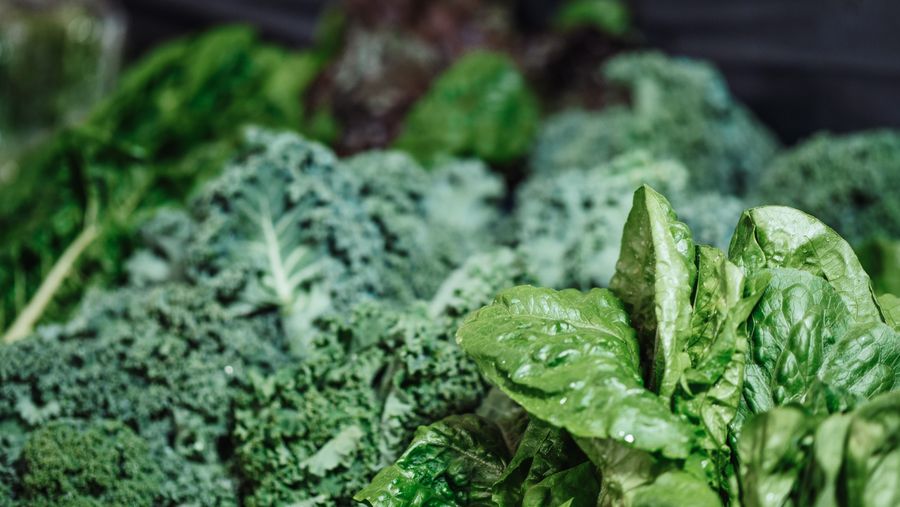
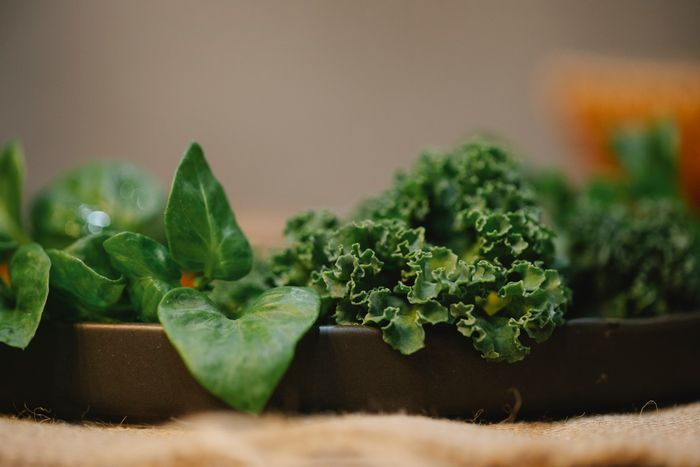
- Raw kale (100g): ~11 mg lutein + zeaxanthin
- Cooked spinach (100g): ~8 mg
- 1 egg yolk: ~0.3 mg (highly bioavailable due to fat)
The average US adult consumes 1–2 mg/day of lutein from diet. To hit the AREDS2 dose of 10 mg/day from food alone, you'd need roughly 100g of kale or spinach daily — consistently, with fat for absorption. Most people don't manage this.
Importantly, absorption from food is variable. Cooking increases carotenoid bioavailability (breaks down cell walls), but lutein and zeaxanthin are fat-soluble — they need fat co-consumption to absorb properly. Free-form lutein in supplements, particularly from marigold extract (Tagetes erecta), is well-absorbed.

What to Look For on a Supplement Label
- Minimum 10 mg lutein per serving — the dose used in AREDS2. Anything below 6 mg is unlikely to meaningfully raise MPOD.
- Zeaxanthin included — ideally 2 mg. Some products use only lutein and skip zeaxanthin entirely.
- Floraglo® or Lutemax® lutein — standardized, research-backed forms. Generic lutein sources vary in purity.
- Zinc included — the AREDS2 formula also included zinc. A lutein supplement that omits zinc is incomplete.
- No beta-carotene if you smoke — beta-carotene supplementation is associated with increased lung cancer risk in smokers. Choose a formula that substitutes lutein/zeaxanthin.